 |
| Woman in Ukrainian vinok (Photography) |
|
| Woman in Ukrainian vinok (Photography) |
Daria Klemick and her family share a rich Ukrainian heritage. The cultural practices have been passed down from generation to generation including traditional foods, holiday celebrations, and dance. Ukraine is located along the eastern edge of Europe and borders the Black Sea. Through this blog, we will discuss some interesting facts about Ukraine that highlight its cultural and historical significance.
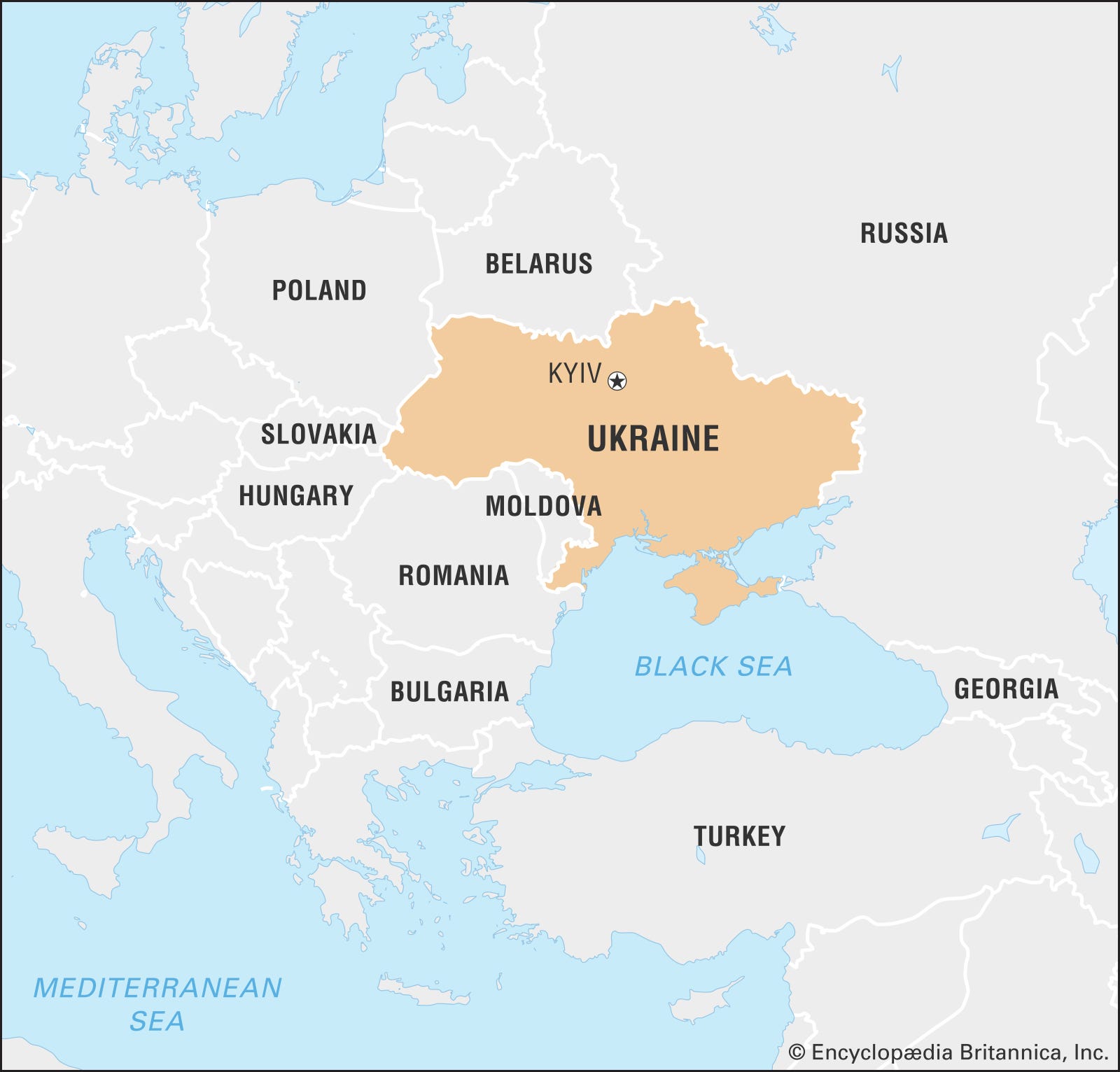

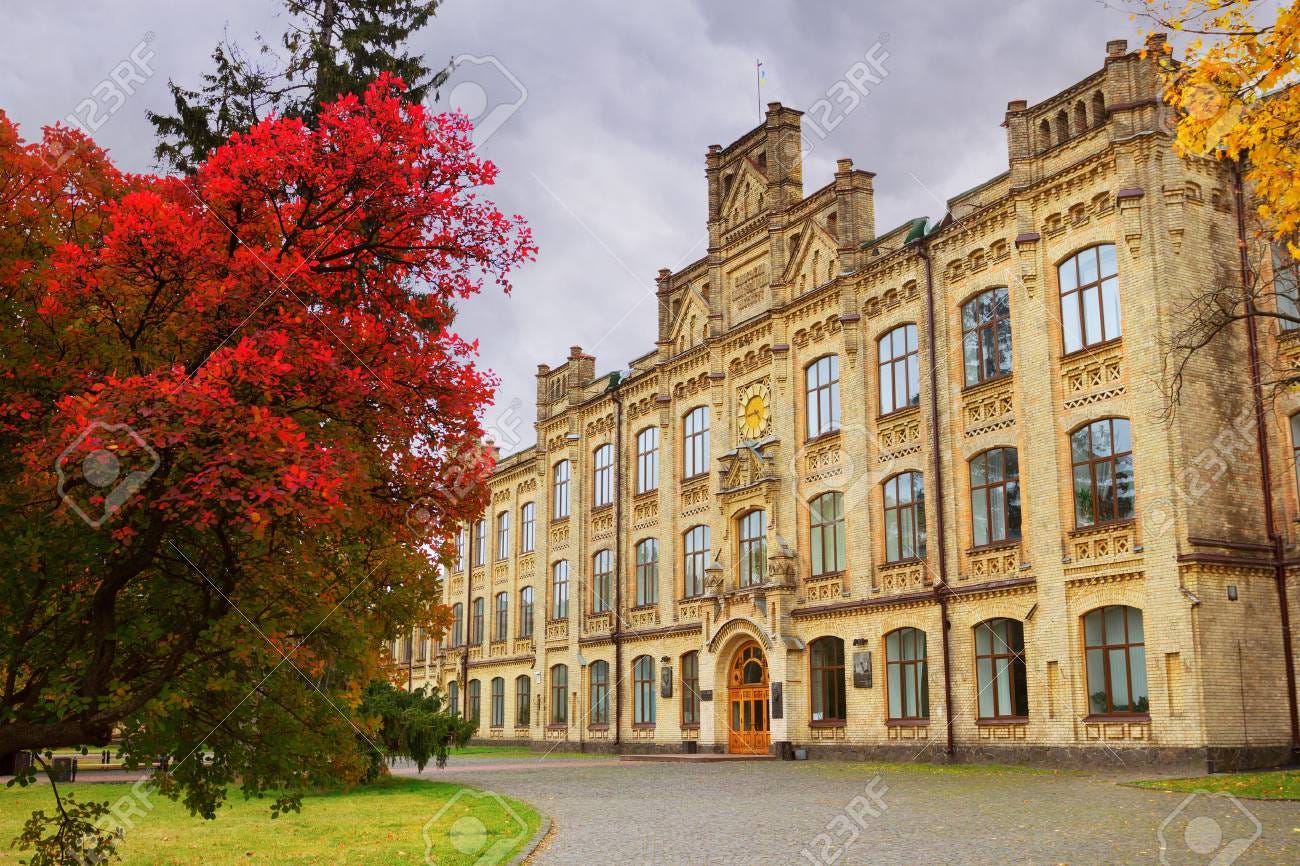

With a near limitless list of possible stops on a trip to Ukraine, Uman is sure to be among the top destinations. Uman is located in central Ukraine along the coast of the Umanka River. This location offers a casual and relaxing experience with great attractions. The city is well-suited to accommodate tourists. Navigating the city is made easy by the signposts directing tourists to locations such as the tomb of Rabbi Nachman Sofiyivka Park, the Basilian Monastery built in 1764, and the obelisk in the center of the town. Tourists can also watch the Love fountain show or spend the day shopping and exploring the daily market. After a day of shopping or exploring the great historical monuments, a visit to Sofiyivka Park is a great way to take in some nature and appreciate the open green spaces overlooking the intricate architecture, WWII monuments and pastel-colored churches located throughout the city.
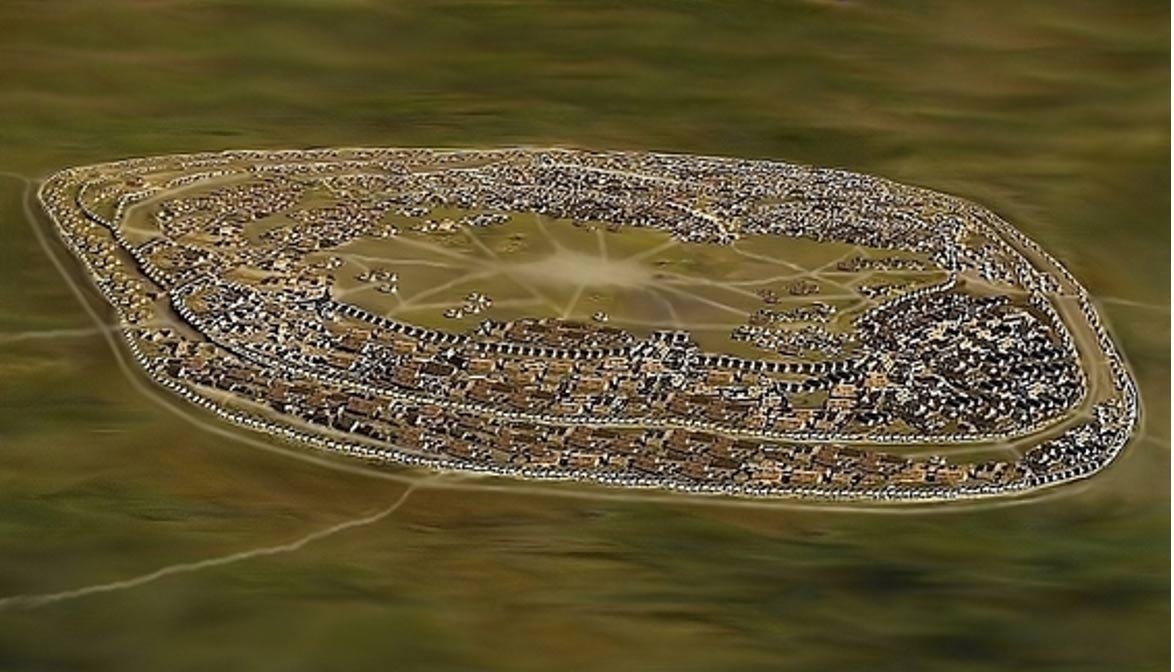
While traveling Ukraine, a stop in the historic city of Chernihiv is another must. Chernihiv dates back to roughly 907 making it one of the oldest cities in Ukraine. It is located in northern Ukraine along the Desna River. Here, you will find beautiful medieval architecture. The best example of this is the Catherine's Church, which boasts golden cupolas. Chernihiv is also home to two ancient monasteries located amongst caves in the outer limits of the city. Additionally, the Kachanivka Palace built in the 18th century offers tourists with the chance to view its neoclassical architecture. gardens, and lake. As though there was not already enough to see in Chernihiv, it is also where Cherninihivske beer is made, the famous Ukrainian tipple. This historic city offers tourists a great place to view various styles of architecture, and Cherninihivske is a must try for all visitors.
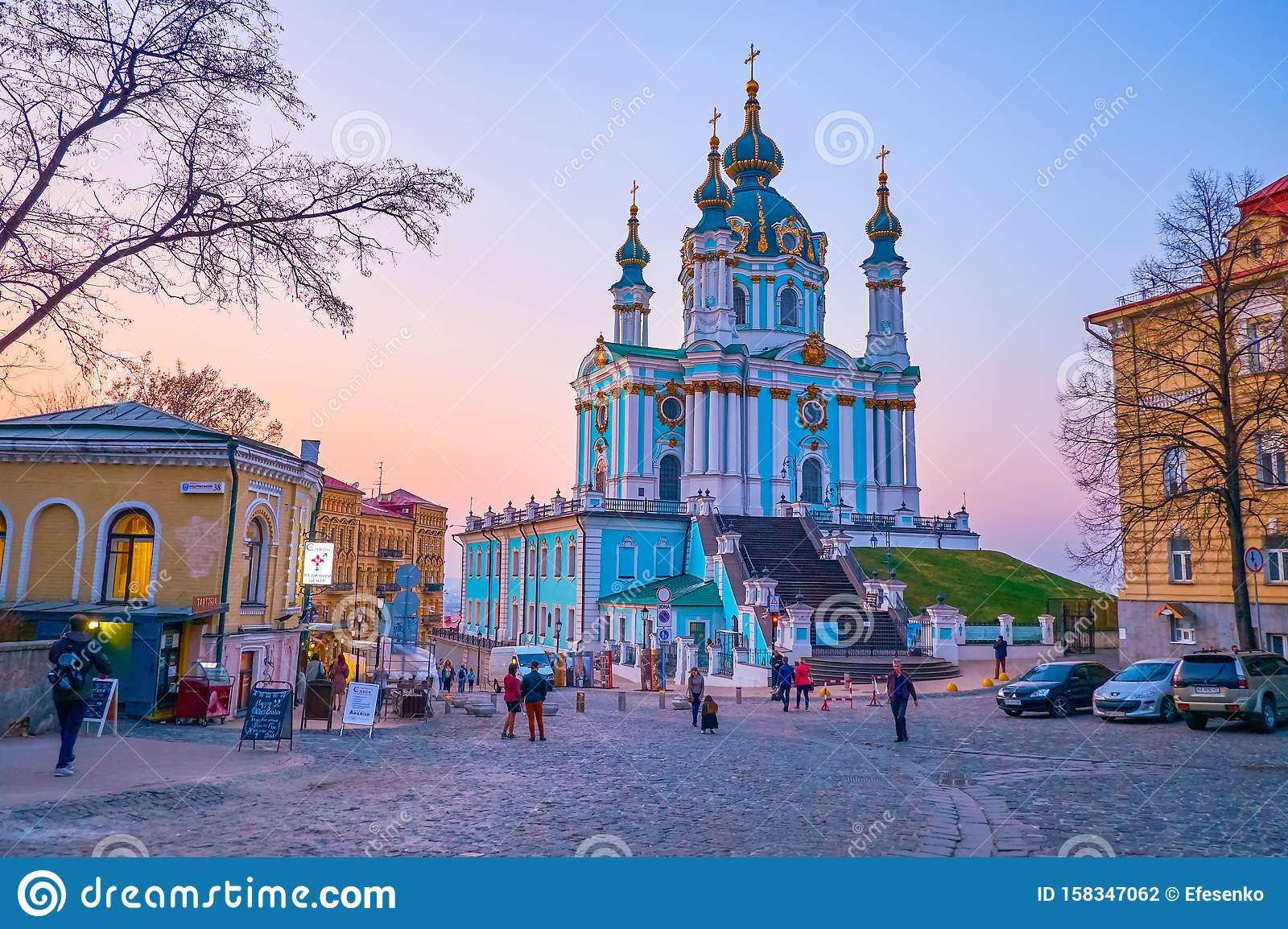
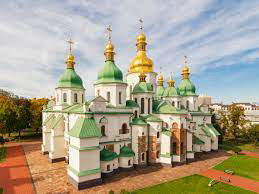
While the list of travel locations can go on endlessly, Kiev must be at the top of the list. Kiev is the capital of Ukraine and is the number one tourist destination. It is located in north-central Ukraine and is packed with monasteries, beautiful streets, and golden-domed churches. Kiev has been referenced as early as 482 AD making it one of the oldest Eastern European cities. While the other cities listed here offer a slower paced experience, Kiev is full of energy. Tourists can visit one of the many bars or sidewalk cafes that line the beautiful and lively streets. While walking the streets, a stop at the Museum of Folk Architecture and Ethnography should be on the list of activities as it is one of the largest open-air museums in Europe and offers a great way for tourists to learn about the city and Ukraine. Another popular tourist stop is Andriyiviskyy Descent. This steep cobble stone street is lined wit
h Art Nouveau style houses with gargoyles perched atop. The final and most popular stop in Kiev is absolutely Kiev Pechersk Lavra. This is one of the oldest (and most important) monasteries in the country.
A trip to Ukraine can be a great way to relax, learn history, see beautiful architecture and gardens, and absorb the rich culture. The country offers a little bit of everything, making it the perfect destination to travel and get away. Known for its theatres, operas, and lively yet relaxing cities, a trip to Ukraine is sure not to disappoint. As if you needed another reason to consider a trip to Ukraine, the vacation is fairly inexpensive compared to other European vacations, making the trip a great value!
Daria Klemick, an active participant in Ukrainian cultural activities, was born and raised in the greater New York area. Within Ukrainian culture, weddings hold great significance and are celebrated following many traditions and customs. While the wedding ceremonies have evolved, many traditional elements remain. While more outdated traditions, such as buying out the bride, have been heavily modified or removed from weddings, others have remained a part of weddings for their religious connections. These ever changing traditions are often difficult for those outside of the community to understand, but to those within, they are important aspects of their cultural identities.
Blashoslovennya is the familial blessing prior to the arrival at the church. This involved both parties' parents meeting at the home of the bride-to-be. The prospective husband and wife kneel on a rushnyk, an embroidered ritual cloth, in front of the parents. The parents present icons of the Virgin Mary and Jesus wrapped in a rushnyk. Happiness, prosperity, and health is wished upon the couple. It is after the presentation of the korovai, the ritual wedding bread, that the two families are united.
At the ceremony itself, Ukrainian is often spoken at Ukrainian-American churches. Giving away of the bride is not practiced in Ukrainian wedding ceremonies. Instead, as a show of equal partnership in life, the bride and groom enter the church together. Often, the majority of the ceremony is sung. The exception to this is the sermon itself.
Prior to entering the church together, the betrothal takes place. Here, the priest joins the couple in the back of the church. It is now that the priest's blessing and exchanging of rings is done. As a representation of God leading the couple into holy matrimony, the priest guides the newly weds into the church by the hand.
A rushnyk is placed before the alter and is where the couple stands. This is symbolic of prosperity and not having to face poverty by " standing on bare earthen floor". It is said that the person who steps on the rushnyk first is the head of the family. Traditionally, this is the man, but is it said that the wife is the neck of the family that turns the head. Elders, starosty, are chosen from each family to be witnesses to the marriage and leaders of the wedding processional. The starosty gift the couple figures of the Virgin Mary and Jesus Christ, which are prominently displayed in their home. This is symbolic of the spiritual center of the household.
Another prominent feature of Ukrainian weddings is the binding of the hands. An embroidered cloth is used to bind the hands of the bride and groom. This signifies the union of the marriage. The union is then led by the priest three times around the alter, representing the Holy Trinity, the journey of marriage, and that Christ leads this journey. This hold great significance as there are among the first steps the could take together. Following the trips around the alter, three sips from a silver goblet, again representing the Holy Trinity. The sharing of the cup is representative of the oneness of the union and equality through joy and hardships.
Among the most identifiable aspects of an Ukrainian wedding is the crowning of the bride and groom. Members of the bridal party hold crowns above the heads of the bride and groom while they place their right hands on the gospel and exchange vows. This represents the newly weds being the king and queen ruling their family kingdom.
The korovai, the traditional wedding bread of Ukraine, is another element that is found at nearly every Ukrainian wedding. This bread was historically baked by the women of the village and came to replace wedding cake. Today, most brides chose to have both the korovai and a cake. This bread is gifted to the bride accompanied by wedding advice by the women gifting the bread. The bread is covered in symbolic baked ornaments. Among those are two doves represent the couple, and pinecones to represent fertility. A derevo zhyttia, a tree of life, is placed at the center of the korovai as a symbol of life, love, hope, and building of a new nest. Purity and love is symbolized by a wreath of periwinkle that surrounds the entire korovai, and the assembly is placed in a prominent location at the reception on an embroidered tablecloth.
While Ukrainian weddings have evolved through time, many traditional elements remain as prominent aspects that clearly identify any Ukrainian wedding. While many components were discussed here, much more goes into the planning and celebration of a Ukrainian wedding. Follow me for more posts and updates regarding the food, dance, and music that help make Ukrainian weddings memorable.
Daria Klemick, a native of the greater New York area, has long been a Ukrainian dancer. In Ukraine, dance is one of the most recognized and universal cultural exports. Their style of energetic dance captivates and entertains audiences worldwide. Ukrainian dance is characterized by elaborate chorography, intricate costume design, and high-paced execution. While Ukrainian dance has been a cultural staple for centuries, today's folk dance is largely preformed as well choreographed stage performances both nationally and internationally. Ukrainian folk dances of today fall into many popular styles.
With its origins in Vertep, a puppet theater in the 17th century, Kozach is a popular dance style. Kozachok is a Cossack dance style derived from this time period. With a time signature of 2/4. this linear fast dance is performed with a female lead and a man who follows. The male role in this style of dance is to imitate and complement the woman's movements. The tempo of this style increases as the performance proceeds. The woman signals an increase in pace and changing of movements by clapping her hands. Kozachok has many variations including Veretepny Kozachok, which originates from the Zaporizhian region; Kuban Kozachok, which originates from the Krasnodar region of Russia; and Ter Kozachok, which originates from the norther Caucasus region.
Hopak is a popular Ukrainian dance. This dance is often recognized as the Nation Dance of Ukraine. The origins of this dance date back to the 16th century and is a Cossack dance. This dance can often be found in opera and ballet performances. The 2/4 time signature predominates this dance; however, it is not uniform in tempo nor melody across performances. This variability allows dancers to showcase their specific skills and often culminates in an exciting fast paced finale.
Another Cossack dance is the Povzunets. Povzunets translated to crawler in English. This dance is performed by a group of men. The men in this dance squat, kneel, or sit throughout the entirety of this performance. This dance is energetic and elicits an feeling of happiness in the crowd.
Yet another Cossack fold dance is the Chumaky. This dance performance depicts Ukrainian merchants and traders. These merchants, known as "Chmuaky" were very prosperous into the late 1800's. This group of merchants have left their mark on Ukrainian dance and folklore, and the dance continues today as a common performance in folk dance recitals.
In the far west top of Ukraine, there are the Carpathian Mountains. From this region the Bereznyanka dance originates. This dance is characterized by large movements and sweeping choreography. It is energetic and commonly described as bouncy.
Bukovynian dance originates from the Bukovyna region of Ukraine. This is a region of highlands and plains of the Carpathian Mountains. This dance is characterized by a dichotomy of footwork and expressed themes. The dance is thought to have been influences by the many empires and peoples who have claimed the land, each impacting culture and dance in the area.
Ukrainian dance is a major cultural component that is passed down generationally. Each dance varies in their tempo, footwork, and meaning. Many Ukrainian dances are performed either as ceremonial traditions or as entertainment for viewers, and each dance has signature characteristics that make it unique.
Daria Klemick, a member of various Ukrainian groups in the greater New York area, has grown up in a home where cooking with family is a way to spend time together, laugh, and learn about the vast array of foods that help define Ukrainian culture. As with most nations, food is a staple in Ukrainian culture and history; it is a focal point in dances, Easter basket blessings, and holiday spreads. With its roots in the XIX century, Ukrainian cuisine has evolved through time and the various regions have shared characteristics along with those that are unique to themselves. Through time, Ukrainian cuisine has been influenced by Polish, German, Turkish, Hungarian, and Russian recipes, while simultaneously influencing the food in those same locations. It is through this back and forth sharing of recipes that Ukrainian foods have developed into what they are today. Ukrainian cuisine ranges from simple dishes with traditional methods of preparation, to complex dishes with intricate preparations. Among the dishes that stand out are Borsch, Holubtsi, and Varenyky.
Borscht is a favorite food among travelers and tourists visiting Ukraine. This dish is a beet soup that is extremely common at Ukrainian family gatherings. Polling showed that this was the favorite food among the Ukrainian people. This dish has roots that are very old, dating back to ancient times when pich masonry stoves were common in the household. The original name for borscht was "brew with herbs". Originally, it was a simple dish of beetroot and herbs; however, the recipe has progressed to include a wide range of vegetables, but beets are always the main ingredient. Its preparation is actually quite complex. Today, recipes for borscht can include up to 20 ingredients. The temperature at which the soup is prepared, as well as the order the ingredients are added, greatly influences the final taste of the dish. Due to the complexity of the ingredient list, the recipes vary by region largely due to availability. Variations include red, green, and cold borscht. Borscht, along with being widely popular, is featured in many Ukrainian traditions making it a staple in the cultural cuisine.
Holubtsi is another popular Ukrainian dish. This dish is composed of cabbage leaves stuffed with ground meat, rice, and tomato sauce. It is believed by many that the original holubtsi recipes originated in Western European parts of Ukraine, and over time many regional variations have arisen. Cabbage roll recipes are also common in the cuisines of Greece, Bulgaria, and the Czech Republic. The Ukrainian version of these cabbage rolls uses either ground beef or pork, or a mixture of the two, and pickled or fresh cabbage leaves stewed rather than fired. This dish has great nutritional value in addition to its wonderful flavors. High in protein, vitamin C, vitamin A, lycopene, and folic acid, this dish can be enjoyed guilt free. The traditional recipe involved the meticulous wrapping of the stuffing in the leaves, but a more deconstructed form also exists in the form of patties that are stewed after mixing all of the ingredients together.
Ukrainian dumplings, called varenyky, take many forms with flavor profiles ranging from sweet to savory. The sweet forms are often filled with cherries, rose berries, strawberries, cheese, or jam. The more salty and savory dumplings may have a filling made from potatoes, mushrooms, meat, cracklings, cabbage, or a salty cheese. The shape of the varenyky also vary. They can be found in triangular, round, or crescent shapes. The dough is made from wheat, buckwheat or barely to given different flavor profiles and textures. The stuffing and final construction of the dumplings depends largely on region. For example, mashed bean dumplings can be found in Polissia regions, boiled peas and guelder rose berries are common stuffing types in Poltava, and brine cheese and potatoes are used by villagers in the mountains. Among the favorite fillings are potatoes, cracklings, chese, and dried fruits. Kraplyky, a more lean version of varenyky, is prepared as part of Christmas Eve celebrations. Varenyky has origins in the Kyivan Rus times when it was prepared as a celebratory dish at weddings and obzhynky, which is a harvest festival.
Food is a common element that helps shape the identities of cultures, and Ukrainian culture is no different. Food is featured as a major element of holidays, dances, and family gatherings. The techniques and recipes for Ukrainian dishes vary by region and through time; however, they all share common influences and significance.
Daria Klemick has long been a member of the Ukrainian culture and is very familiar with the vast symbolism ingrained in the nation's history. National symbolism is something that is common amongst most nations, with the Ukraine being no different. The flag and national emblem both represent moments in time that correlate with the Ukraine's vast history and culture.
The first among the Ukrainian symbols that will be discussed here is the national emblem. In the Ukraine, the nation emblem is a trident. This golden trident displayed over a blue shield is called a "tryzub" in Ukrainian. The history behind this symbol dates back to the Rurik dynasty. This became popular during times of Kyiv Rus, a federation that lasted from roughly the 9th to the 13th century. During those times, it was common to find the trident, or tryzub, on many everyday items, including stamps, paintings, coins, and masonry. Prince Volodymyr had the currency minted with the trident displayed on one side with the ruler on the other. After the dissolution of Kyiv Rus, the use of the trident diminished greatly. For some time, the only display of the trident came in the form of family crests, old books, and signs welcoming travelers into the cities.
Ultimately, the trident regained its popularity and became the national symbol of the Ukraine as early as the turn of the twentieth century, during the times of the Ukrainian Peoples's Republic. Further symbolism developed as the trident began to be used to embody the princes' rule and succession of the Ukrainian state. This decision to include the trident in the tradition was made by the Central Council of Ukraine. Sadly, the trident was again removed from the national scene after the declaration of the Soviet Union to discredit the symbol and replace it with the hammer and sickle. In 1992, however, the Soviet era ended, and Verkhovna Rada reinstated the trident as the official Ukrainian emblem, which was viewed as a strong showing of Ukrainian independence. The meaning of the trident itself has many origin stories, ranging from the most popular being that it is symbolizing the Christian Trinity to a lesser known meaning of a secret encryption of the word "freedom" in Ukrainian; however, regardless of which meaning people believe, the history of the tryzub is one with deep roots in Ukrainian culture.
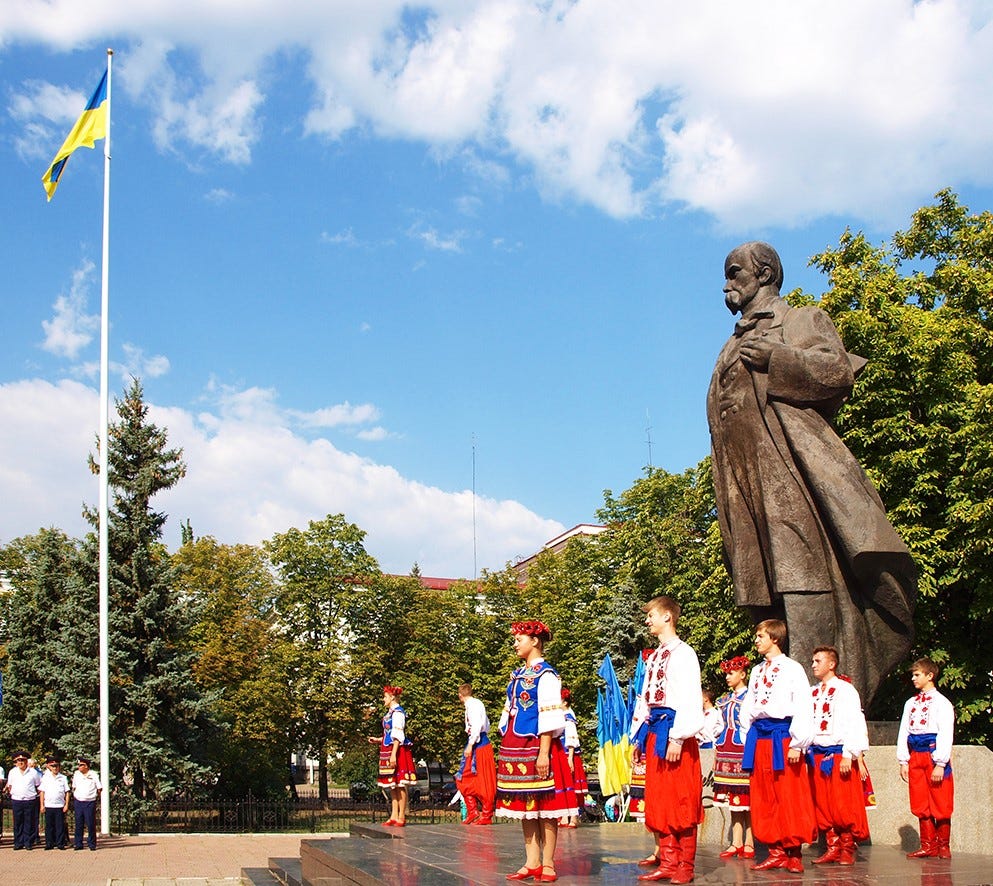
Another symbol with historic ties is the Ukrainian flag. The flag is composed of two equal-sized horizontal bars. The top is blue, and the bottom is yellow. These colors originated in the XIV century and were used on the Halych Principality's emblem. Additionally, these colors could be found in the flags and emblems of many Rus lands and cities in the Middle Ages. The Zaporozhian Cossacks used blue sheets of cloth with an embroidered golden figure of a knight on their military flags. In 1848, the people of Galicia became the first to use the colors of the Ukrainian flag as a national symbol on the Lviv City Council building. From 1917 to 1921, the Ukrainian People's Republic and the Ukrainian State both flew the yellow and blue flag as their official symbol. During the Soviet era, the flag was banned as a sign of nationalism; however, the flag was reinstated as a national symbol in 1991. Today, the people of the Ukraine celebrate the Day of National Flag on August 23rd. While the colors depicted on the flag have been used by many groups over a long period of time, the colors represent simple, yet important, ideas. The sky is presented by the blue, and the yellow is symbolic of wheat to show fertile land.
When the two items, the flag and national emblem, are viewed together, it becomes clear why there is such a strong sense of pride connected to them. They represent the perseverance of a nation and have withstood many historical events and periods intended to hide their significance. It is through the flag and trident that many Ukrainians show their cultural heritage with pride.
Daria Klemick is a resident of the greater New York metropolitan
area. She is often involved in community projects, including being an active
member of New York City Project Sunshine. With Project Sunshine of NYC, Daria participated
as an active member from 2016 to 2020. Project Sunshine has been active for
more than 20 years, with their primary focus being the service of children suffering
from medical complications. Providing resources to pediatric patients and their
families is the primary focus of the program. Their reach is global; however,
they are based in New York. This is possible through the introduction of their
TelePlay program. The TelePlay program allows Project Sunshine to orchestrate virtual
engagement activities to the children virtually, broadening their ability to
offer care to those in need. The TelePlay program is an interactive, engaging
platform for children and teenagers across a wide range of ages. On the TelePlay
platform, the participants are offered digital delivery of many activities
including charades, jazz dancing, and scavenger hunts. This platform is in
compliance with the Health Insurance Portability and Accountability Act.
Daria Klemick, a Ukrainian dancer, actively celebrates her
Ukrainian heritage through her participation in cultural activities. For
millennia, dance has been a staple of Ukrainian culture. The tradition is
ongoing with many dance troupes found within and outside of the country’s borders.
The origins of the different dance styles vary, with some having their roots based
in military practices. These military style dances serve as entertainment for
spectators, while also highlighting the history of Ukrainian culture. With the
practice being generations upon generations old, different forms of Ukrainian
dance have developed across the regions of the country. Hopak is among the most
well-known dances. With this style being performed at weddings, recitals, and
most formal Ukrainian events, it has come to be known as the national dance of
the Ukraine. Hopak is often included in Ukrainian operas and ballets, largely
due to its 2/4-time signature and entertaining stage presence. In addition to
the Hopak, energetic choreography, well-timed footwork, and intricate costumes
are typical features in other forms of Ukrainian dance as well. Regional
differences help identify the various forms of dance, making each unique to the
location of origin. Hutsul and Kozachok are among other popular forms of dance
in the country.
Woman in Ukrainian vinok (Photography) Daria Klemick, a third generation Ukrainian American, has grown up celebrating her cultural heritag...


